
Extreme Heat Builds Across the West, With Daily Records at Risk
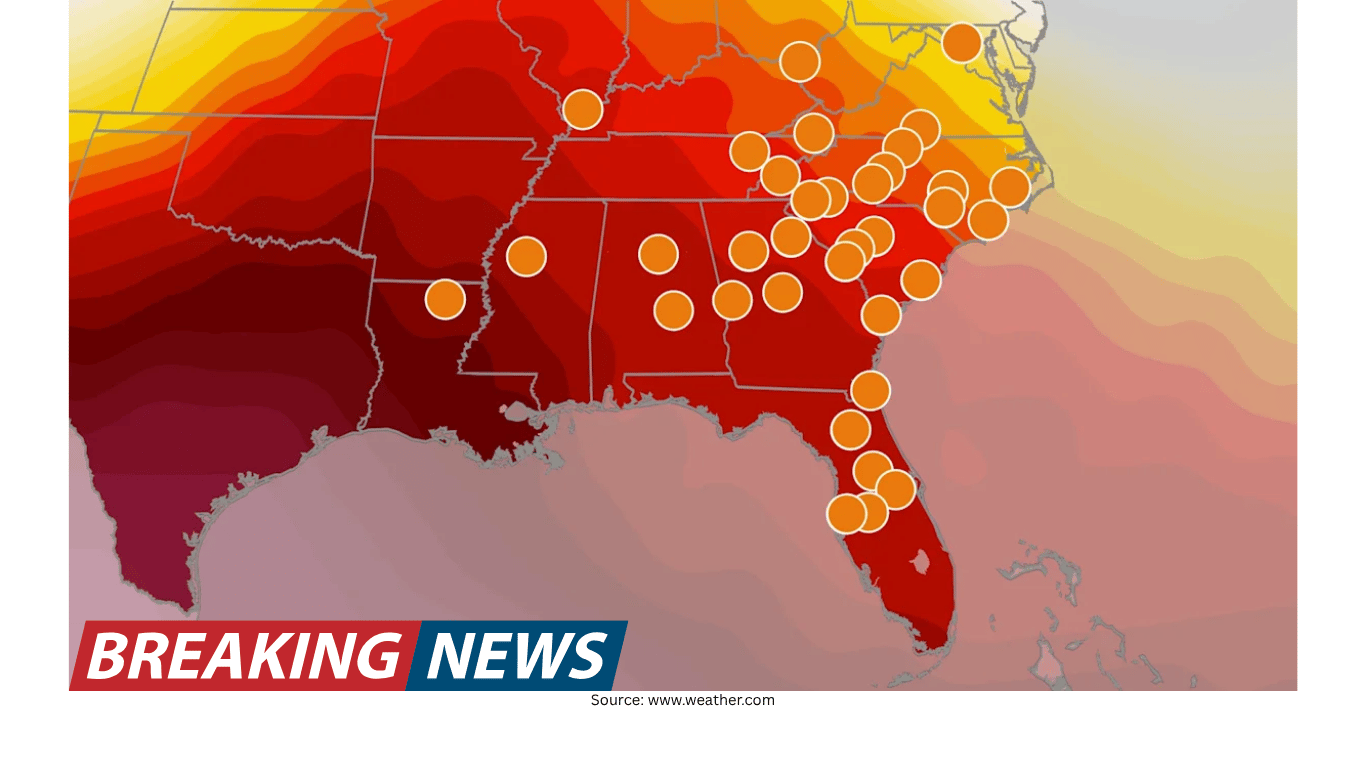
A major heat surge is taking shape
Extreme heat is building across the West, setting the stage for several days of unusually high temperatures and the potential for daily records to fall. Forecast guidance points to a broad region experiencing highs that are significantly above what is typical for this time of year, underscoring how widespread this heat episode is expected to be.
While warm spells can occur in spring, this particular setup is notable for both the magnitude of the temperature anomaly and its reach across multiple parts of the western United States. In practical terms, that means many communities may feel more like midsummer than late spring, even if local climates vary from coastal areas to deserts and mountain valleys.
How far above average will temperatures run?
Across the West, highs are expected to run roughly 10 to 25 degrees above average. That range matters because it signals not just a modest warming trend, but a pronounced departure from normal conditions. A 10-degree increase can be enough to change daily routines; a 25-degree increase can push temperatures into levels that are both uncomfortable and, for some, potentially dangerous without proper precautions.
When temperatures rise this far above seasonal norms, the impacts are often felt quickly. Outdoor plans can become more taxing, indoor spaces without effective cooling can warm rapidly, and the overall heat burden can build from day to day. Even if nighttime temperatures are not specified here, sustained heat during the day can still place stress on people, pets, and infrastructure.
Timing: Peak heat expected Tuesday for many areas
The hottest conditions are expected to peak for most locations on Tuesday. That peak timing is important for planning, whether it involves work schedules, travel, outdoor recreation, or simply deciding when to run errands. A clear peak day can also help people and local agencies focus heat safety messaging and preparedness efforts when the risk is highest.
However, a peak does not necessarily mean an immediate return to normal temperatures. Heat events can taper gradually, and even a “slight improvement” can still leave highs well above average. In other words, Tuesday may be the crest of the heat wave for many places, but it may not be the end of the heat.
Daily records are falling in some locations
As the heat builds, days of daily records falling have been reported. Daily record highs are typically based on long-term observations for a specific calendar date. When those records fall, it indicates the day’s heat is not just above average—it is exceptional relative to the historical range for that date.
Record-breaking heat can also shape public perception of the event. People may be more likely to take warnings seriously when they hear that records are being set or threatened. At the same time, records can fall in a patchwork pattern: one city may set a record while another nearby falls short, depending on local geography, elevation, and weather patterns.
Relief outlook: Pacific Northwest may catch a break
Not every part of the West is expected to experience the same level of prolonged heat. Some relief is expected for the Pacific Northwest. That suggests temperatures there may ease compared with the peak, offering a more noticeable step down from the hottest readings.
Even so, “relief” can be relative. A shift toward cooler conditions may mean returning closer to seasonal norms, or it may simply mean less extreme departures from average. The key point is that the Pacific Northwest is the region most clearly singled out for improvement during this period.
Elsewhere: Only slight improvement expected
For the rest of the West, the forecast calls for only a slight improvement after the peak. That implies that while the most intense heat may ease somewhat, many areas will likely remain warmer than average. In extended warm periods, even a small reduction in temperatures can help, but it may not fully resolve the discomfort or heat stress that can accumulate over multiple days.
A slight improvement also means that communities should not assume conditions will quickly return to normal. If highs remain elevated, basic heat precautions may still be necessary, particularly during the warmest part of the day.
What “10 to 25 degrees above average” can mean for daily life
When forecasters describe temperatures running 10 to 25 degrees above average, it is a way of translating weather patterns into expected impacts. Average temperatures are based on long-term climate data for a given time of year. Departures from that baseline help communicate how unusual a weather event may feel.
In day-to-day terms, this kind of heat can influence:
Outdoor activity: Exercise, yard work, and recreation can become more strenuous, especially during afternoon hours.
Travel and tourism: Visitors may need to adjust plans, shifting activities earlier or later in the day.
Home comfort: Buildings can warm quickly during extreme heat, particularly if cooling or ventilation is limited.
Work routines: Jobs that require time outdoors may need additional breaks and hydration planning.
These are practical considerations that often accompany significant heat anomalies, even when specific local temperature numbers are not listed here.
Why the peak day matters for planning
Knowing that the heat is expected to peak for most areas on Tuesday provides a planning anchor. People who have flexibility may choose to schedule more demanding tasks outside of the peak window. Businesses and event organizers may also use this information to consider shade, water availability, and timing adjustments.
For households, a peak day is a cue to think ahead: ensuring cooling systems are functioning, checking on neighbors who may be more vulnerable to heat, and keeping an eye on how quickly indoor temperatures rise. Even small steps can make a difference when heat is unusually intense.
Heat safety basics to keep in mind
This forecast focuses on the expected heat and its timing, but the implications naturally raise the question of how to navigate very warm conditions. In general, heat awareness starts with recognizing that the hottest part of the day often occurs in the afternoon and early evening, and that heat can affect people differently depending on age, health, and activity level.
Common-sense steps that many people find helpful during extreme heat include:
Adjusting outdoor plans to cooler parts of the day when possible.
Staying hydrated and taking breaks if spending time outside.
Checking indoor comfort, especially in homes that heat up quickly.
Being mindful of pets that may also struggle in high temperatures.
These measures are general and do not replace local guidance, but they align with the reality that heat well above average can change the risk profile of ordinary activities.
Forecast confidence and the role of professional analysis
The latest update on this heat event has been communicated by meteorologist Sara Tonks. In fast-evolving weather situations, professional meteorological analysis helps translate broad patterns into clearer expectations about timing, intensity, and where relief may arrive first.
Forecasting also involves assessing how long the heat will persist and whether the cooling trend will be substantial or limited. In this case, the message is straightforward: a peak for many areas on Tuesday, some relief for the Pacific Northwest, and only slight improvement elsewhere across the West.
Key takeaways
Extreme heat is building across the West, with daily records falling in some locations.
High temperatures are expected to run about 10 to 25 degrees above average across the region.
The heat is forecast to peak for most areas on Tuesday.
Some relief is expected for the Pacific Northwest.
For much of the rest of the West, only a slight improvement is anticipated after the peak.
As the West moves through this period of unusually high temperatures, the main story is the breadth of the heat and the limited nature of the cooldown for many areas. With records already falling and the peak still ahead for most locations, the coming days will likely feel notably hotter than typical for this point in the year.