
Coloradans Dig Out After Late-Season Snowfall Tops Two Feet in Some Areas
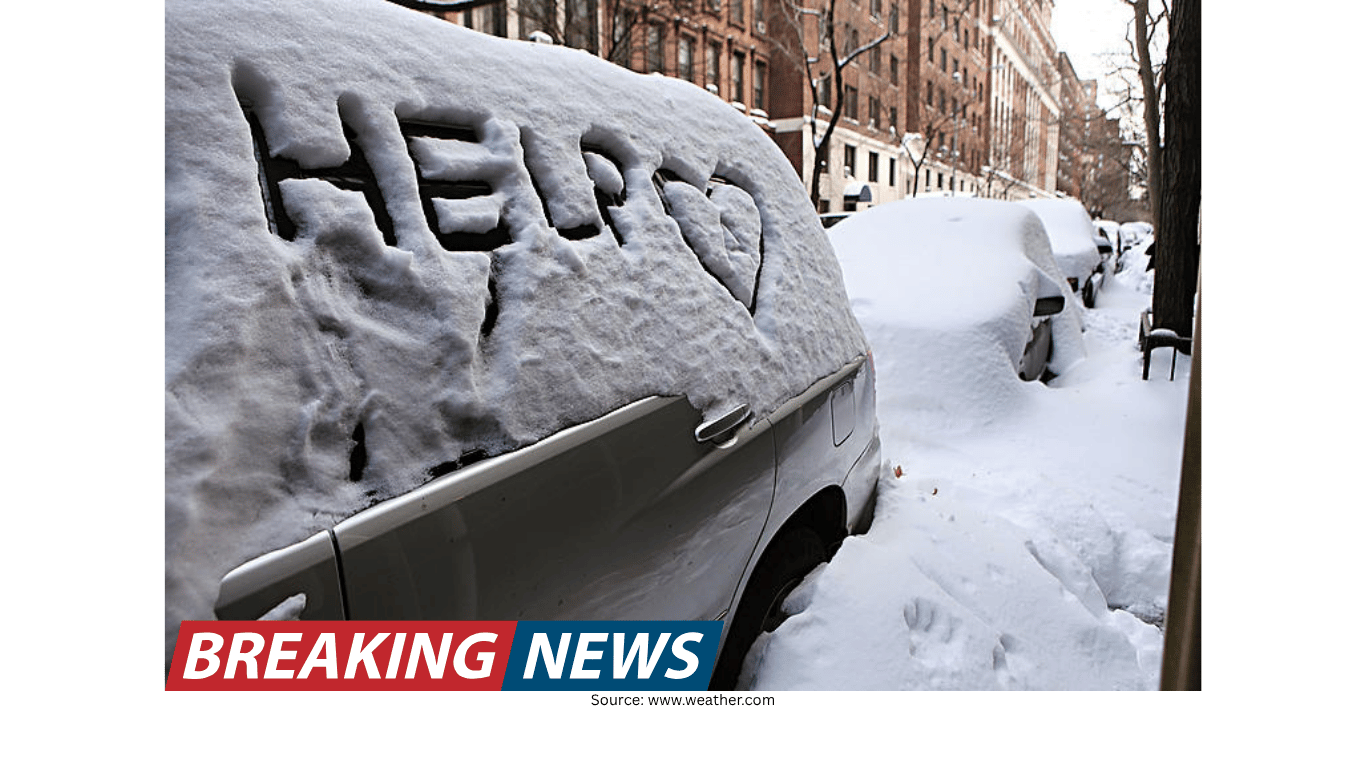
A late-season storm leaves Colorado residents digging out
A late-season snowstorm has left many Colorado residents dealing with unusually heavy accumulations, with some locations reporting snowfall exceeding two feet. As the storm moved through, residents documented what they were seeing and experiencing, sharing videos that captured the depth of the snow and the immediate challenge of getting back to normal routines.
The images and clips posted by locals conveyed a consistent theme: the snow was not a light dusting or a typical springtime coating, but a substantial, disruptive fall that required shoveling, clearing, and careful navigation. For many, the focus quickly shifted from simply watching the weather to the practical work of digging out driveways, sidewalks, and access points.
Snow measured in feet, not inches
Heavy snowfall is often described in terms of inches, but this event stood out because totals reached beyond the two-foot mark in some places. That threshold matters because it tends to change how communities experience a storm. A few inches can be inconvenient; a couple of feet can become a significant obstacle to basic movement and daily tasks.
In the videos shared by residents, the depth of the snow was evident in the way it piled up around homes and along paths. The storm’s timing also contributed to its impact. Late-season snowfall can catch people off guard, especially when expectations begin shifting toward milder weather and the routines of spring.
Residents document the aftermath in videos
Throughout the week, Coloradans posted videos showing the storm’s effects in real time and in the immediate aftermath. These firsthand accounts offered a ground-level view of the storm’s intensity, illustrating the scale of accumulation and the work required to clear it.
Such videos serve a practical purpose beyond sharing dramatic scenes. They provide a visual reference for neighbors and communities, helping people understand what conditions look like across different areas. They also underscore how quickly weather can transform a familiar landscape, particularly when snowfall becomes deep enough to reshape daily movement.
A striking contrast with an exceptionally dry winter
What made the storm especially notable was the context in which it arrived. The heavy snowfall followed what had been described as Colorado’s driest winter in 40 years. That contrast—an exceptionally dry season followed by a major late-season snow event—became a central point in how the storm was discussed.
In practical terms, this juxtaposition highlights the variability that can occur within a single cold season and into the transition months. A winter characterized by dryness sets certain expectations about precipitation patterns. When a storm then delivers snow totals measured in feet, it can feel abrupt and surprising, even if late-season storms are not unheard of.
The description of the preceding winter as the driest in four decades adds weight to the story because it frames the storm as more than an isolated event. It becomes part of a broader narrative about the season’s extremes: prolonged dryness followed by a sudden, heavy snowfall.
Why late-season snowfall can be particularly disruptive
Late-season snow has a different kind of impact than midwinter storms. By the time spring approaches, many people have mentally and practically transitioned into a different mode—changing schedules, shifting travel plans, and preparing for warmer days. A heavy storm at that point can disrupt those expectations and require a rapid return to winter-like precautions.
When snowfall reaches over two feet, the disruption becomes more than a matter of inconvenience. Clearing snow at that depth can be physically demanding and time-consuming. It can also affect how quickly neighborhoods and households can resume normal activity, particularly if the snow is heavy or if repeated clearing is needed.
Digging out becomes the immediate priority
In the wake of the storm, the immediate task for many residents was straightforward: remove snow and regain access. The phrase “digging out” is often used after heavy snowfalls because it captures the sense that people are working to recover basic mobility—getting vehicles out, opening pathways, and restoring the ability to move safely around homes and properties.
The videos shared by Coloradans reflected this reality. The storm’s impact was not only visible in the snow itself but also in the effort required afterward. Even without detailed accounts of specific neighborhoods, the shared visuals conveyed a common experience across the areas hit hardest: deep snow that demanded action.
What the shared videos reveal about community experience
When residents share storm footage, they are doing more than posting weather content. They are offering a snapshot of how the event is being felt at the personal level. A forecast can describe totals and timing, but a video can show what those totals mean on the ground—how high the snow has piled, how it blocks doors or paths, and how it changes the look and function of everyday spaces.
In this case, the volume of shared videos suggests the snowfall was significant enough to feel noteworthy to those experiencing it. The storm became a shared moment, documented across different locations, and communicated through visuals that highlighted the depth and the immediate consequences.
Key takeaways from the event
Snowfall exceeded two feet in some places: The storm produced late-season totals high enough to create major clearing and mobility challenges.
Residents shared videos throughout the week: Local footage provided a clear sense of the storm’s intensity and the work required to dig out.
The storm followed an exceptionally dry winter: The heavy snowfall came after what was described as Colorado’s driest winter in 40 years, highlighting a sharp seasonal contrast.
A reminder of how quickly conditions can change
Even in a season defined by dryness, weather can shift dramatically. This late-season storm demonstrated that precipitation patterns can vary sharply over time, and that significant snowfall can still occur even after months characterized by limited moisture.
For residents, the practical lesson is familiar: conditions can change quickly, and it is often the timing and intensity of a storm—rather than the calendar date—that determines how disruptive it will be. A heavy snowfall arriving late in the season can still demand the same kind of response as a midwinter storm: clearing, caution, and patience as communities work through the aftermath.
Looking at the storm through the lens of the season
The storm’s significance was amplified by its place in the broader seasonal story. A winter described as the driest in 40 years sets a particular context, and a late-season snowfall topping two feet in some areas stands out against that backdrop. Together, these details paint a picture of a season that did not follow a simple, steady pattern.
For those who experienced the storm firsthand, the immediate concern was likely less about seasonal narratives and more about the practical steps of digging out. Still, the contrast between extended dryness and sudden heavy snow helps explain why the event drew attention and why residents felt compelled to document it.
What remains after the storm: the work and the footage
As the snowfall settled, what remained was both physical and digital: deep snow that required removal, and a collection of videos that captured the event from the ground. The footage offered a record of the storm’s intensity and served as a shared reference point for how severe the snowfall was in the places hit hardest.
In the end, the story of this late-season snowstorm is a simple one, told through measurements and moments: more than two feet of snow in some areas, a community response centered on digging out, and an event made more striking by the fact that it followed a winter described as the driest in four decades.