
Mississippi Tornadoes Leave Widespread Damage Across Central and Southern Communities
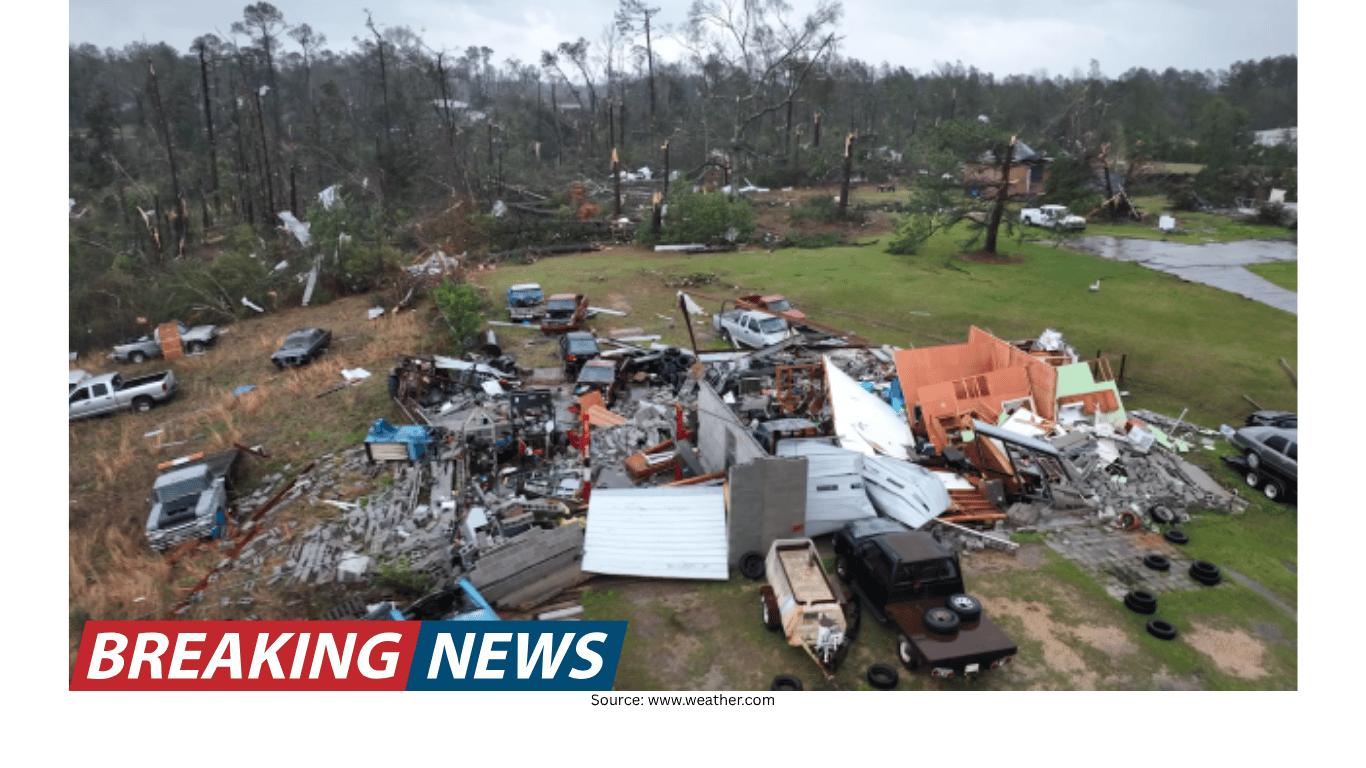
A destructive night of severe weather in Mississippi
Multiple tornadoes tore through central and southern Mississippi on Wednesday evening, leaving behind damage that local residents described in stark terms. In Purvis, a pastor said the scene was “just total devastation” after a tornado destroyed parts of his church. That tornado was one of several reported in the state during the same period, part of a broader outbreak that affected multiple communities.
While tornado damage can vary dramatically from one neighborhood to the next, the accounts and video from Mississippi suggest a far-reaching impact. The destruction was not confined to a single building or block. Instead, the damage appeared to extend across a wide area, with hundreds of buildings reported wrecked. For those living and working in the affected zones, the scale of what happened was evident in the immediate aftermath: broken structures, scattered debris, and the visible signs of powerful winds moving through populated areas.
Purvis church damaged as residents describe “total devastation”
In Purvis, the tornado’s impact was personal and highly visible. A pastor there described the situation as “just total devastation,” emphasizing the severity of the damage to parts of the church. Places of worship often function not only as religious spaces but also as community gathering points, and damage to such a building can carry emotional weight for residents who associate it with shared events and support networks.
The destruction of parts of the church also illustrates a broader reality of tornado events: they can strike with little regard for the types of structures in their path. Whether homes, businesses, or community buildings, the outcome can be similar when winds are strong enough—roofs torn away, walls compromised, and interiors exposed to the elements.
In the hours after the storm, the immediate focus for many communities typically shifts to safety, accounting for people, and assessing what can be salvaged. Even without a detailed inventory of losses, the description offered from Purvis conveys a sense of shock and the difficulty of processing what has happened when familiar places are suddenly altered or partially destroyed.
Hundreds of buildings reported wrecked
Across central and southern Mississippi, the tornadoes were reported to have wrecked hundreds of buildings. That phrase—“hundreds of buildings”—signals a large footprint of damage, likely spanning multiple towns or areas within counties. In tornado events, the term “wrecked” can encompass a range of outcomes: buildings reduced to rubble, major structural failure, or damage severe enough to render a structure unusable until extensive repairs are made.
When hundreds of buildings are impacted, the consequences can ripple outward quickly. Residents may face displacement, businesses may be forced to pause operations, and local services can be strained by the need for cleanup and repairs. The built environment—homes, schools, places of worship, stores, and offices—forms the backbone of daily life. When it is damaged on a large scale, the disruption can be immediate and long-lasting.
Even within a single tornado track, damage can be uneven. Some structures may be heavily damaged while others nearby remain standing, a pattern that can add to the surreal quality of surveying a neighborhood afterward. But the overall picture in this case, as described, is one of extensive destruction rather than isolated incidents.
Video captures a landscape of damage that “seems neverending”
Incredible video from the aftermath shows how the damage “seems neverending,” underscoring how far the destruction stretched. Visual documentation can be crucial in conveying the scale of a tornado’s impact because it provides context that words alone sometimes cannot. A single photograph might show one collapsed building, but video that moves through streets and across neighborhoods can reveal repeated scenes of damage—one structure after another—creating a cumulative impression of widespread loss.
The phrase “seems neverending” suggests that as the camera continues, the same patterns of destruction keep appearing: damaged roofs, broken walls, and debris scattered across properties. For viewers, this kind of footage can be both informative and sobering, offering a clearer sense of what residents are facing as they begin recovery.
For those on the ground, the “neverending” quality of the damage can also translate into a daunting workload. Cleanup, debris removal, and the first steps toward rebuilding can feel overwhelming when the affected area is large and many people need help at once.
Central and southern Mississippi in the path
The tornadoes were reported to have ripped through central and southern parts of Mississippi. That geographic description matters because it indicates the event was not limited to one corner of the state. Central and southern Mississippi include a mix of communities—some more densely populated, others more rural—with different building types and varying access to resources for recovery.
When severe weather affects a broad region, it can complicate response efforts. Multiple communities may be dealing with damage simultaneously, which can stretch local capacity. It also means the impacts are felt across a wider social network: families in different towns, congregations, and workplaces may all be dealing with storm-related challenges at the same time.
In such situations, the immediate needs often include checking on neighbors, securing damaged properties, and making sure buildings are safe to enter. For many residents, the first night after a tornado can be marked by uncertainty—about the condition of homes, the safety of loved ones, and the timeline for returning to normal routines.
What tornado damage can look like in communities
The Mississippi tornadoes offer a stark example of how quickly severe weather can reshape a community’s landscape. Tornado damage frequently includes:
Structural destruction, such as collapsed roofs, missing walls, or buildings shifted from their foundations.
Debris fields, where materials from damaged structures are scattered across roads, yards, and neighboring properties.
Damage to community spaces, including places where residents gather—such as churches—intensifying the emotional impact.
Widespread property impacts, where the number of affected buildings reaches into the hundreds, creating a large-scale recovery challenge.
These outcomes are consistent with the descriptions from Mississippi: wrecked buildings, destroyed sections of a church, and video showing extensive, continuous damage.
Community response begins with assessment and support
After tornadoes strike, communities typically move quickly from the shock of the event to the practical steps of response. Even without detailing specific actions taken in this case, the situation described—hundreds of buildings wrecked and parts of a church destroyed—implies an urgent need for assessment and coordination.
Initial assessment often involves determining which structures are safe, identifying areas that are most heavily damaged, and helping residents who may be displaced or facing immediate hazards. In many tornado events, the first steps can be as simple as clearing access routes, checking on vulnerable neighbors, and securing property to prevent additional damage.
When a community landmark such as a church is damaged, it can become a focal point for both grief and resilience. Residents may gather to account for one another and to plan next steps, even if the usual meeting place is no longer fully usable. In that sense, the physical damage can be severe while the social response can still be strong, driven by the need to help and rebuild.
Why the scale of damage matters
Describing an event as wrecking hundreds of buildings is not merely a statistic; it provides a clue to the breadth of the disaster and the likely duration of recovery. A single damaged structure can often be addressed with targeted repairs. But when damage extends across hundreds of buildings, the recovery process can become complex, involving multiple property owners, contractors, and community organizations.
Widespread damage also affects the daily rhythm of life. Residents may need to navigate around debris, adjust to damaged or closed facilities, and cope with the emotional strain of seeing familiar places altered. For businesses, building damage can interrupt operations. For families, it can mean temporary relocation or difficult decisions about repairs.
The video described as showing damage that “seems neverending” reinforces that this was not a small, contained incident. It was a broad impact event, with repeated scenes of destruction across the affected area.
A reminder of tornado risk in severe weather
The tornadoes that hit Mississippi serve as a reminder of how quickly severe weather can escalate into a destructive event. In this case, the storms produced multiple tornadoes across central and southern parts of the state, with consequences that included a damaged church in Purvis and hundreds of buildings wrecked overall.
For residents, the aftermath can involve a long list of priorities—safety, cleanup, temporary fixes, and plans for rebuilding. For communities, it can mean balancing immediate needs with longer-term recovery, especially when the damage footprint is large.
As the state’s affected areas begin to move forward, the descriptions from the scene—“total devastation” and damage that “seems neverending”—capture the scale of what people are facing. They also underscore the importance of preparedness and awareness when severe weather threatens, because tornadoes can leave lasting impacts in a matter of minutes.
Key points from the Mississippi tornado outbreak
Several tornadoes ripped through central and southern Mississippi on Wednesday evening.
In Purvis, a pastor described “just total devastation” after a tornado destroyed parts of his church.
Hundreds of buildings were reported wrecked across the affected areas.
Video from the aftermath shows extensive damage that appears to stretch across a wide area.
The full scope of recovery will depend on the extent of structural damage across communities, but the initial reports and visuals point to a significant event with widespread impacts.