
Colorado Hit by Late-Season “Cinco Snow Mayo” Storm, Bringing Heavy Wet Snow and Travel Disruptions
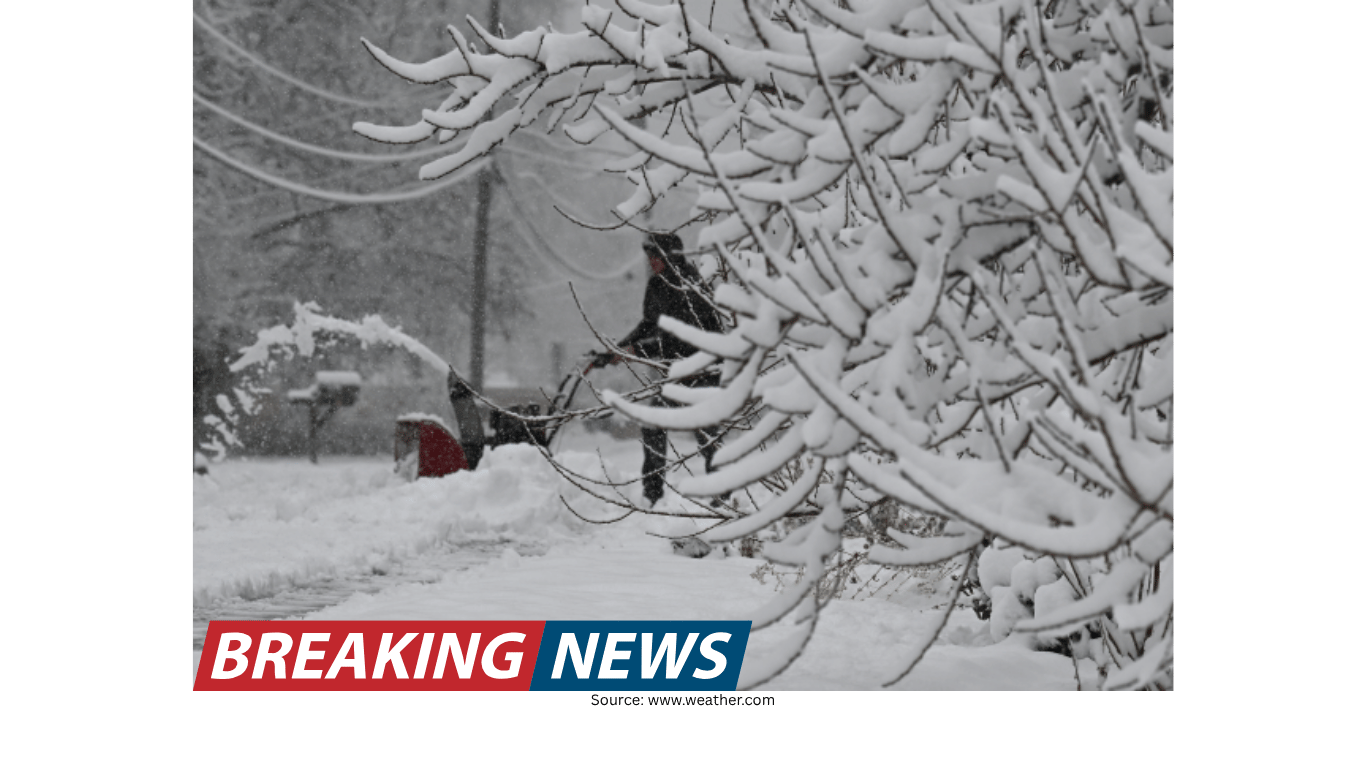
A winter-like storm in the first week of May
Parts of Colorado saw a striking return to winter during the first week of May, when a late-season storm brought heavy, wet snow and turned familiar spring landscapes into scenes more typical of January. The event has been nicknamed “Cinco Snow Mayo,” a play on the early-May timing and the sudden shift back to wintry weather.
While snow in Colorado is not unheard of outside the traditional winter months, the combination of timing and intensity made this storm stand out. The snow was described as heavy and wet—an important detail because that type of snow tends to cling to surfaces, accumulate quickly, and create different hazards than lighter, powdery snowfall.
The result was a widespread sense of seasonal whiplash: spring had been underway, yet the storm temporarily reset conditions in some areas to something closer to mid-winter. For residents and travelers, the storm’s impacts were less about novelty and more about practical disruptions and potential damage.
Why heavy, wet snow can be especially disruptive
Not all snow behaves the same way. Heavy, wet snow often contains more moisture than colder, drier snow, which makes it denser. That density can increase the strain on trees and infrastructure, and it can also make road conditions deteriorate quickly when accumulation occurs.
During this early-May storm, the weight and stickiness of the snowfall raised concerns about tree damage and power outages. Wet snow can load tree branches, especially if trees have already started to leaf out in spring. When branches bend or break, they can fall onto roads, vehicles, or power lines—turning a weather event into a broader community disruption.
Even without widespread structural damage, heavy snow can complicate cleanup. It can be harder to shovel, can pile up in dense ridges, and can create slushy, slick conditions as temperatures fluctuate. In a period when people may not be expecting winter hazards, the risks can be amplified by reduced preparedness.
Travel snarls and the challenge of sudden winter road conditions
Travel was snarled as the storm moved through parts of Colorado. Late-season storms can be particularly troublesome for transportation because they arrive at a time when drivers may have shifted into spring habits—different routes, different expectations, and in some cases different vehicle readiness.
Snowy roads can quickly lead to slower traffic, delays, and difficult driving conditions. When snow is wet and heavy, it can also contribute to slush, which may reduce traction and visibility. In a fast-changing storm, conditions can vary significantly from one area to another, adding uncertainty for anyone trying to navigate across regions affected by the snowfall.
Disruptions are not limited to drivers. Any travel system that depends on predictable conditions—commuters, deliveries, and time-sensitive trips—can be affected when a storm creates winter-like conditions at a time of year typically associated with warming temperatures.
Concerns beyond the snowfall: trees, power, and what comes next
The storm’s immediate impact was the snowfall itself, but the aftermath raised a different set of concerns. Among them were the potential for tree damage, power outages, and flooding.
Tree damage is a common worry during heavy, wet snow events because branches can fail under the added weight. That can create hazards in neighborhoods and along roadways, and it can also trigger secondary problems if fallen limbs interfere with utility lines.
Power outages are another risk when snow-laden branches or other debris come into contact with electrical infrastructure. Even isolated outages can be disruptive, and in colder conditions they can pose additional challenges for households and businesses.
Flooding concerns may arise after a heavy snow event, particularly when temperatures rise and snow begins to melt. Meltwater can run off into low-lying areas, and if the ground cannot absorb the water efficiently—whether because it is already saturated or because melt happens quickly—localized flooding can become a concern. The mention of flooding in the aftermath underscores that the storm’s effects do not necessarily end when the snowfall stops.
“Cinco Snow Mayo” and the reality of springtime variability
The nickname “Cinco Snow Mayo” captures the surprise factor of a winter storm arriving in early May, but it also points to a broader reality: spring can be highly variable. In Colorado, weather can shift rapidly, and late-season snow events can occur even as communities transition into warmer-weather routines.
What made this event notable was not simply that snow fell, but that it was heavy and wet and that it created a landscape reminiscent of January. Those characteristics tend to drive impacts—on travel, on trees, and on utilities—more than the calendar date alone.
For many people, the first week of May is a time when winter gear is stored away and schedules revolve around spring activities. A sudden storm can therefore have an outsized effect, disrupting plans and requiring a quick return to winter precautions.
How the storm changed the look and feel of the region
Descriptions of the storm emphasized how it transformed parts of Colorado into a snowy scene that looked like mid-winter. That visual shift matters because it reflects the storm’s intensity and the degree of accumulation in affected areas.
When snow falls heavily enough to recreate a January-like setting, it often means roads, sidewalks, and open areas are covered in a way that demands immediate attention—plowing, shoveling, driving adjustments, and changes to daily routines. In early May, that kind of change can feel especially abrupt.
The storm also likely influenced how people assessed risk. A light dusting might be treated as a novelty, but heavy, wet snow tends to signal a more serious event, particularly when it is accompanied by concerns about outages and post-storm flooding.
Key impacts reported from the early-May storm
Heavy, wet snow fell across parts of Colorado during the first week of May.
The storm created winter-like conditions reminiscent of January in some areas.
Travel was snarled, reflecting difficult road conditions and disruptions.
Concerns were raised about tree damage due to the weight of wet snow.
Potential power outages were a concern, consistent with risks posed by heavy snow on trees and infrastructure.
Flooding was noted as a concern in the aftermath, highlighting that impacts can extend beyond the snowfall.
What residents and travelers typically watch for after a wet-snow event
Although the storm’s most visible feature was the snow itself, the period after a heavy, wet snowfall can be just as important. When communities are dealing with potential tree damage and power issues, attention often shifts to cleanup and safety.
Fallen branches can remain a hazard even after roads are cleared. In addition, melting can introduce new challenges. As temperatures move upward, snow can transition into runoff, and water can collect in places that normally remain dry. The mention of flooding concerns after the storm suggests that the risk profile changed as conditions evolved.
Travel can also remain affected after the main snowfall ends, especially if slush refreezes or if debris from damaged trees interferes with roads and sidewalks. For anyone moving through affected areas, conditions can vary from block to block depending on elevation, shade, and the extent of accumulation.
A reminder that May can still bring winter hazards
The “Cinco Snow Mayo” storm served as a reminder that winter hazards can still appear in May, particularly in places where weather patterns can shift quickly. Even as spring progresses, a late-season storm can deliver significant snowfall and trigger a chain of impacts that extend from transportation to utilities and post-storm runoff.
In this case, the storm’s heavy, wet snow was central to the concerns that followed: the potential for tree damage, the risk of power outages, and the possibility of flooding in the aftermath. Those risks underscore why late-season storms can be more than a brief inconvenience, especially when they arrive with enough intensity to recreate mid-winter conditions.
For Colorado communities affected by the early-May snowfall, the event was notable not just for its timing and nickname, but for the practical challenges it introduced—on the roads, in neighborhoods, and in the days that followed as the region monitored for lingering effects.