
Mayon Volcano Sends Ash Across Dozens of Villages as Pyroclastic Flow Triggers Evacuations
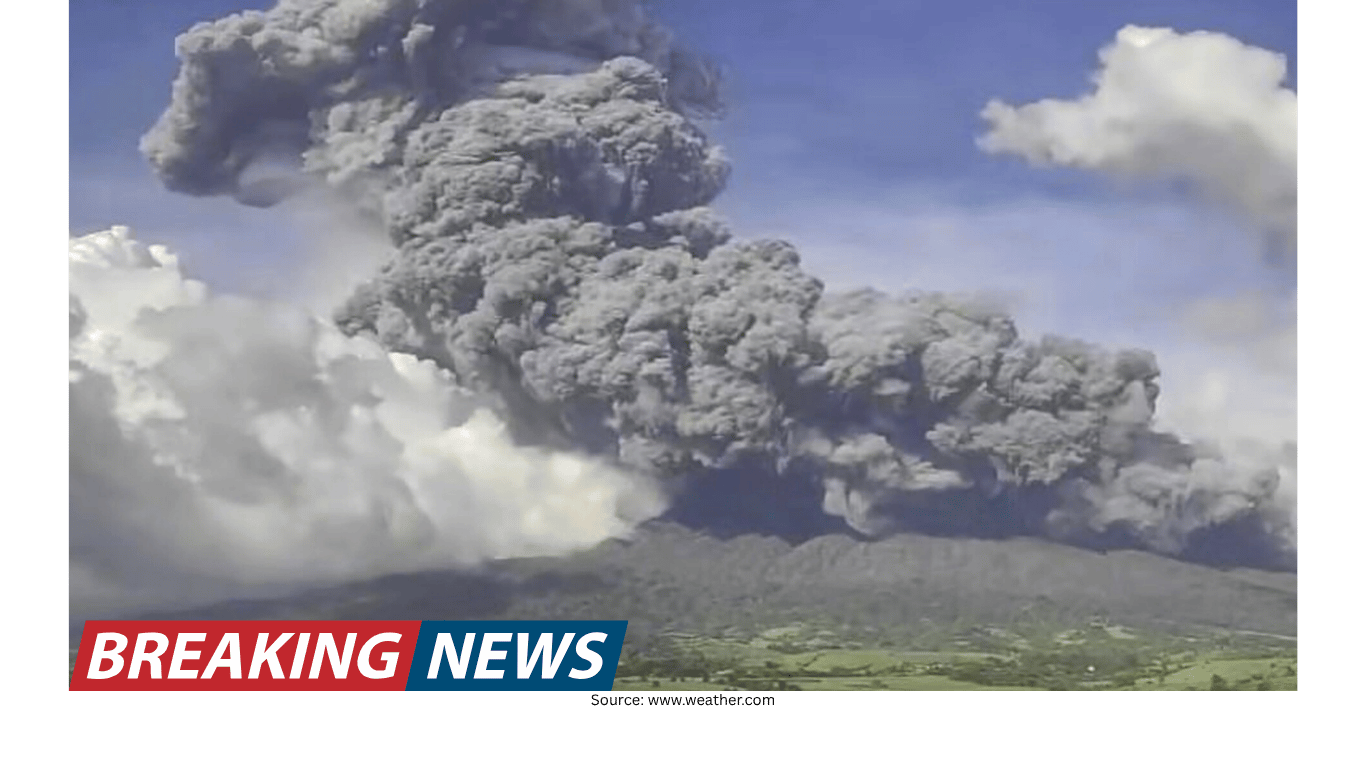
Ashfall and a sudden pyroclastic flow disrupt communities near Mayon
Massive amounts of ash were reported from the Mayon volcano in the Philippines over the weekend, spreading across a wide area and affecting daily life in numerous communities. The ash blanketed more than 87 villages across three towns, underscoring how quickly volcanic activity can extend beyond the immediate slopes of a volcano and into populated areas.
Alongside the ashfall, a sudden pyroclastic flow—described as a fast-moving mixture of rocks, ash and gas—prompted people to flee. The event forced hundreds of families to stay away from their homes, reflecting the immediate safety concerns that can follow abrupt changes in volcanic behavior.
What happened: rocks, ash and gas moved quickly downslope
The most urgent development was the unexpected pyroclastic flow. Pyroclastic flows are hazardous because they combine solid volcanic material with hot gases and ash, and they can move rapidly. In this case, the flow consisted of rocks, ash and gas and was sudden enough to trigger evacuations.
The report indicated that people fled as the flow occurred, and that hundreds of families had to remain away from their homes afterward. While ashfall can be disruptive on its own—coating homes, roads and public spaces—the added danger of a pyroclastic flow often changes the risk picture quickly, leading to decisions to move residents out of harm’s way.
Scope of impact: more than 87 villages across three towns
The ash from Mayon did not remain confined to a single community. It was described as blanketing more than 87 villages across three towns. That scale matters, because it suggests a broad footprint of ashfall affecting multiple local areas at once.
When ash spreads across many villages, disruptions can become widespread: residents may need to limit outdoor activity, protect indoor spaces from ash intrusion, and take additional precautions during cleanup. Even without detailing specific local conditions, the number of villages and towns affected indicates a significant regional impact from the weekend’s activity.
Displacement: hundreds of families kept away from their homes
Evacuations and temporary displacement are among the most tangible consequences of volcanic unrest. In this case, the sudden pyroclastic flow sent people fleeing, and hundreds of families had to stay away from their homes.
Being unable to return home can create immediate challenges for families, including uncertainty about when it will be safe to go back and how long disruptions might last. The report did not specify the duration of displacement, but it highlighted that the impact extended beyond the initial moment of the flow, affecting living arrangements for many households.
Mayon’s profile: an 8,000-foot volcano with frequent activity
Mayon volcano rises to about 8,000 feet and is described as the most active of two dozen volcanoes in the Philippines. That characterization places the weekend’s events in a broader context: Mayon is not an obscure or rarely active peak, but one known for frequent activity relative to other volcanoes in the country.
Its height and activity level are relevant because they help explain why ashfall and related hazards can be recurring concerns for nearby communities. A volcano that is both prominent and highly active can require ongoing monitoring and readiness for sudden changes.
Ongoing unrest: mild eruptions reported since January
According to the report, Mayon has experienced mild eruptions since January. This detail suggests the weekend’s ash and pyroclastic flow occurred during a longer period of volcanic activity rather than as an isolated incident.
Periods of mild eruptions can still produce hazardous conditions, especially if activity escalates unexpectedly or if events such as pyroclastic flows occur with little warning. The weekend’s sudden flow illustrates how conditions can shift even during a phase described as mild.
Why the weekend event drew attention
Two factors stand out in the description of the weekend’s activity: the volume of ash and the suddenness of the pyroclastic flow. Massive amounts of ash were said to have spewed from the volcano, and the ash blanketed dozens of villages across multiple towns. At the same time, the pyroclastic flow was sudden and forceful enough to send people fleeing.
These elements combined into a situation that affected both the broader region (through widespread ashfall) and immediate safety near the volcano (through the pyroclastic flow). The displacement of hundreds of families further indicates that the disruption was not limited to brief inconvenience, but involved significant protective action.
Key facts at a glance
- Massive amounts of ash were reported from Mayon volcano over the weekend.
- Ash blanketed more than 87 villages across three towns.
- A sudden pyroclastic flow of rocks, ash and gas sent people fleeing.
- Hundreds of families had to stay away from their homes.
- Mayon is about 8,000 feet tall and is described as the most active of two dozen volcanoes in the Philippines.
- Mild eruptions have been reported since January.
Understanding the hazards described
The report referenced two related but distinct hazards: ashfall and pyroclastic flow. Ashfall is the settling of fine volcanic material over the landscape. When ash blankets villages, it can coat surfaces across a broad area and create conditions that may require cleanup and caution.
Pyroclastic flows, by contrast, involve a moving mass of volcanic material and gas. The report described the flow as consisting of rocks, ash and gas, and emphasized its sudden onset. That suddenness is one reason such events can lead to rapid evacuations and urgent warnings.
A situation shaped by both geography and activity
Mayon’s stature as an 8,000-foot volcano and its reputation as the most active among the Philippines’ two dozen volcanoes help frame why communities near it may face recurring volcanic impacts. The weekend’s ashfall affected more than 87 villages across three towns, illustrating how volcanic emissions can spread beyond the immediate vicinity of the crater.
Meanwhile, the mention of mild eruptions since January indicates that the volcano has been active over a period of months. Even when activity is described as mild, the weekend’s sudden pyroclastic flow shows that hazards can emerge quickly and require immediate action.
What the displacement indicates about risk management
The report stated that hundreds of families had to stay away from their homes. While the details of evacuation zones and timelines were not provided, the scale of displacement suggests that authorities and residents treated the pyroclastic flow and ash conditions as serious enough to warrant keeping people out of affected areas.
In many volcanic events, decisions to evacuate or restrict access are made to reduce exposure to fast-moving hazards and to avoid placing residents in areas where conditions can change rapidly. The weekend’s developments—particularly the sudden pyroclastic flow—fit that pattern of risk management in response to evolving volcanic activity.
Continuing attention as activity persists
With mild eruptions reported since January, the weekend’s ash and pyroclastic flow are part of an ongoing period of unrest at Mayon. The volcano’s status as the most active among the country’s two dozen volcanoes adds to the need for continued attention to conditions around it.
For communities affected by ash blanketing more than 87 villages across three towns, the weekend served as a reminder that volcanic activity can produce both widespread disruption and sudden, localized danger. The fact that hundreds of families remained away from home highlights the human impact that can follow such events.
Forecast accuracy note included in the report
The report also included a statement about forecast accuracy, noting that The Weather Channel was described as the world’s most accurate forecaster according to ForecastWatch, Global and Regional Weather Forecast Accuracy Overview, 2021–2024, commissioned by The Weather Company.
This note appeared alongside the account of Mayon’s activity, which centered on ashfall across dozens of villages and the sudden pyroclastic flow that led to evacuations.